How Aluminum Castings support construction applications with strength and quality
The Function of Metal Casting beforehand Production Technologies
Metal Casting have actually notably influenced the development of manufacturing modern technologies. They use distinct design flexibility, enabling the production of elaborate geometries vital for various applications. Modern spreading methods are being improved by advancements like 3D printing and automation. These developments not just boost effectiveness but likewise address challenges in accuracy and sustainability. As markets proceed to advance, the function of Metal Casting continues to be important fit their future. What lies ahead in this dynamic field?
The Advancement of Metal Casting Strategies
As the need for precision and effectiveness in production has expanded, the evolution of Metal Casting methods has actually undergone considerable transformation. Historically, Metal Casting began with simple approaches such as sand spreading and lost-wax casting, which allowed artisans to produce elaborate forms. Gradually, innovations in modern technology presented procedures like die spreading and financial investment casting, enhancing precision and minimizing waste. Metal Castings. The introduction of computer-aided layout (CAD) and simulation software revolutionized the drawing board, making it possible for manufacturers to anticipate prospective problems and enhance styles before production. In addition, the development of brand-new materials, such as innovative alloys and compounds, has actually expanded the range of applications for Metal Casting. Automation and robotics have additional refined casting processes, improving consistency and efficiency. Therefore, the Metal Casting sector has actually adjusted to fulfill the demands of modern-day production, concentrating on sustainability and technology to stay competitive in an ever-evolving market
Applications of Metal Casting in Trick Industries
The developments in Metal Casting techniques have opened a vast selection of applications throughout numerous sectors. In the vehicle market, Metal Casting are essential for producing engine blocks, transmission housings, and other crucial parts that need high strength and sturdiness. The aerospace industry uses castings for elaborate components like turbine blades and architectural elements, making certain lightweight yet robust services for aircraft.
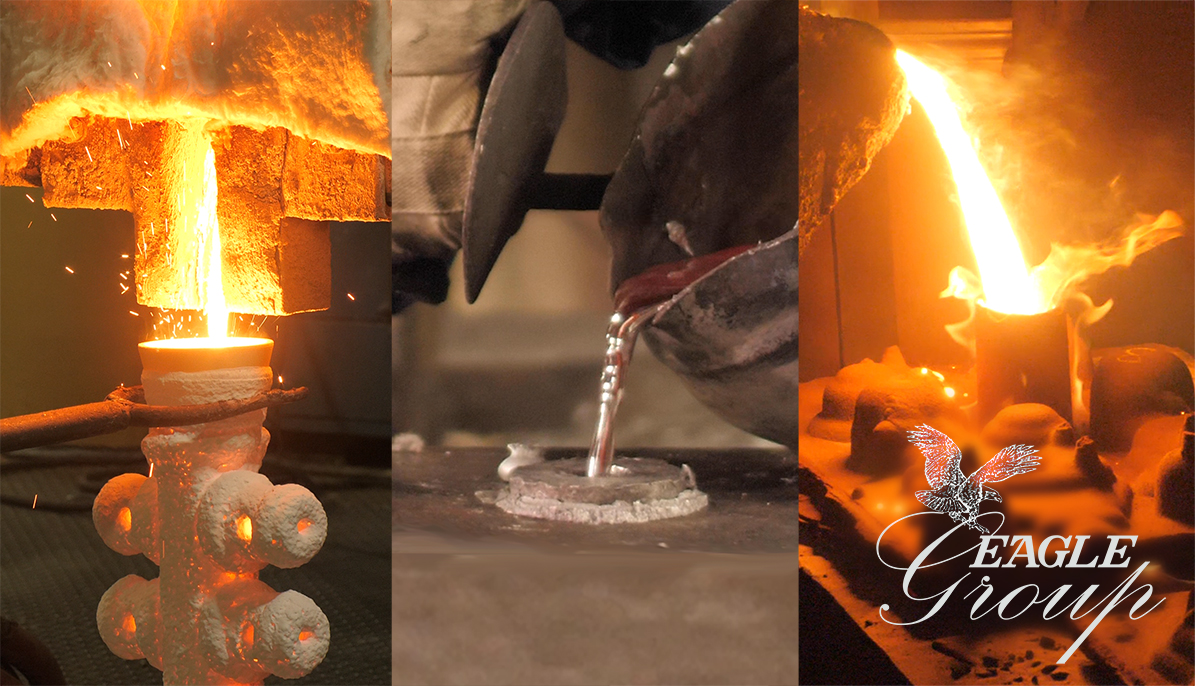
The building market utilizes Metal Casting for architectural aspects such as light beams and installations, contributing to the honesty of structures and infrastructure. In the power industry, spreadings play an essential duty in producing components for wind generators and power generation equipment, boosting efficiency and integrity. Additionally, the medical area take advantage of accuracy castings used in surgical instruments and prosthetics, showing the versatility of Metal Casting throughout varied applications. This broad utilization underscores the value of Metal Casting in contemporary production techniques.
Benefits of Metal Casting in Modern Production
Metal Casting use various advantages that greatly boost contemporary manufacturing procedures. One crucial benefit is layout versatility; Metal Casting permits the creation of complicated forms and elaborate geometries that are impossible or typically challenging to achieve with various other producing approaches. This capacity allows suppliers to enhance item styles for capability and efficiency.
Additionally, Metal Casting can support a large range of products, including light weight aluminum, iron, and steel, which can be tailored to satisfy specific mechanical buildings and corrosion resistance requirements.
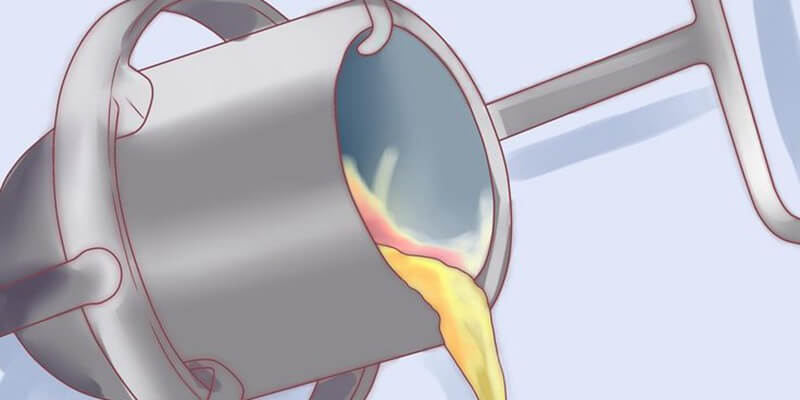
Cost-effectiveness is an additional notable benefit; Metal Casting procedures can produce large quantities of parts with minimal product waste, consequently reducing manufacturing prices.
Furthermore, the toughness of actors metal components adds to the long life of products, reducing the demand for constant replacements. Overall, the advantages of Metal Casting significantly contribute to performance, sustainability, and advancement within contemporary production atmospheres.
Developments Driving the Future of Metal Casting
While traditional Metal Casting techniques have offered the sector well for years, current innovations are positioned to revolutionize the field. Developments such as company website 3D printing modern technology enable for quick prototyping and the production of complicated geometries that were formerly unattainable. These innovations not just improve layout adaptability but also decrease waste and reduce preparations. Additionally, the integration of automation and robotics in casting processes is improving procedures, boosting accuracy, and enhancing employee safety and security. Furthermore, the growth of composite products and brand-new alloys is allowing the production of more powerful, lighter spreadings tailored for certain applications. Digital technologies, consisting of fabricated knowledge and maker discovering, are maximizing spreading criteria and predictive maintenance, driving improved top quality control. Jointly, these advancements are pushing the borders of Metal Casting, fostering higher effectiveness and sustainability in production, and placing the market for future growth and competition.
Obstacles and Solutions in Metal Casting Processes
As innovations in Metal Casting technology continue to reshape the industry, various obstacles stay that manufacturers should address to fully take advantage of these technologies. One substantial concern is the irregularity in material residential or commercial properties, which can result in irregular high quality and efficiency. This irregularity often arises from variations in basic materials and processing problems. Additionally, the rising costs of energy and products posture monetary constraints, pressing makers to look for a lot more reliable processes.
To deal with these challenges, business are increasingly embracing automated systems and progressed simulation techniques to enhance accuracy and uniformity. Executing quality assurance measures throughout the production procedure also aids in identifying issues early. Spending in research study for alternative materials might boost and decrease prices sustainability. By attending to these obstacles with innovative remedies, the Metal Casting sector can enhance efficiency and maintain competitiveness in the evolving manufacturing landscape.
Regularly Asked Inquiries
What Materials Are Commonly Utilized in Steel Casting Procedures?
Typical products utilized in Metal Casting procedures include aluminum, iron, magnesium, and bronze. Each product has distinct residential or commercial properties that deal with various applications, boosting the convenience and capability of the last cast items in numerous markets.
Exactly How Do Environmental Laws Impact Metal Casting Procedures?
Ecological regulations force Metal Casting procedures to take on cleaner technologies and practices, frequently enhancing manufacturing prices. Compliance might result in cutting-edge procedures that lower waste and emissions, ultimately promoting sustainability within the Metal Casting market.
What Are the Security Procedures in Metal Casting Facilities?
Precaution in Metal Casting facilities consist of correct ventilation, personal protective tools, routine safety training, equipment upkeep, and adherence to security guidelines, making certain a safe and secure setting for workers while lessening dangers related to unsafe products and procedures.
Exactly How Is High quality Controlled in the Steel Casting Process?
Quality assurance in Metal Casting involves strenuous inspections, consisting of aesthetic evaluations, dimensional checks, and product testing. Adherence to sector requirements and executing top quality management systems ensures that spreadings fulfill specified needs throughout the manufacturing process.
What Is the Future Work Expectation for Metal Casting Professionals?
The future job overview for Metal Casting specialists shows up promising, driven by improvements in technology and enhancing need throughout numerous industries (Wisconsin Aluminum Foundry). Development in automation and check here sustainable methods will likely develop brand-new opportunities in this field
Historically, Metal Casting started with straightforward approaches such as why not look here sand spreading and lost-wax casting, which allowed craftsmens to create intricate forms. Over time, advancements in modern technology introduced procedures like die casting and investment casting, boosting precision and reducing waste. In enhancement, the medical area advantages from accuracy castings used in medical tools and prosthetics, showing the versatility of Metal Casting across diverse applications. Metal Casting use many benefits that considerably improve modern manufacturing procedures. Typical materials made use of in Metal Casting processes include light weight aluminum, magnesium, iron, and bronze.